best wallet

Leather vs Fabric Wallet: Which is Better? Complete 2026 Comparison

Leather vs Fabric Wallet: Which is Better? Complete 2026 Comparison

Leather vs Fabric Wallet: The Ultimate Comparison Guide

Choosing between a leather wallet and a fabric wallet is one of the most common dilemmas when shopping for a new wallet. Both materials have passionate advocates, but which one is actually better for your needs, lifestyle, and budget?

In this comprehensive guide, we'll compare leather and fabric wallets across every important factor: durability, cost, style, maintenance, environmental impact, and more. Whether you're considering a premium leather wallet from ROYAL or exploring fabric alternatives, this guide will help you make an informed decision.

Spoiler alert: The answer isn't one-size-fits-all, but by the end of this article, you'll know exactly which material suits your lifestyle best.

Material Comparison: Understanding the Basics

What is a Leather Wallet?

Leather wallets are crafted from animal hide (typically cowhide, but also goat, sheep, or exotic leathers). The leather is tanned, treated, and crafted into wallets that range from budget-friendly bonded leather to premium full-grain leather.

Types of leather used in wallets:

  • Full-grain leather: Highest quality, most durable, develops patina (ROYAL's specialty)
  • Top-grain leather: Sanded surface, more uniform appearance
  • Genuine leather: Lower quality, less durable
  • Bonded leather: Leather scraps bonded together, least durable

What is a Fabric Wallet?

Fabric wallets are made from woven or synthetic materials including canvas, nylon, polyester, Cordura, or blended textiles. Modern fabric wallets often feature technical materials originally developed for outdoor gear or military applications.

Common fabric types:

  • Canvas: Natural cotton, casual aesthetic
  • Nylon: Lightweight, water-resistant
  • Polyester: Durable, affordable
  • Cordura: Military-grade, extremely tough
  • Recycled materials: Eco-friendly options

Now let's compare them head-to-head.

Durability: Which Lasts Longer?

Leather Wallet Durability: 8-20+ Years

Winner: Leather (for long-term durability)

Premium full-grain leather wallets are virtually indestructible when properly cared for. Here's why:

Strengths:

  • Improves with age: Leather develops a protective patina that actually makes it more durable over time
  • Resists tearing: Leather fibers are incredibly strong and resist ripping
  • Handles stress: Constant folding and unfolding doesn't weaken quality leather
  • Repairable: Scratches, scuffs, and minor damage can be repaired or conditioned away
  • Proven longevity: Many people use the same leather wallet for 10-20+ years

Weaknesses:

  • Water sensitivity: Leather can be damaged by excessive moisture (though it can be treated)
  • Requires care: Needs occasional conditioning to prevent drying and cracking
  • Initial stiffness: New leather wallets need breaking in

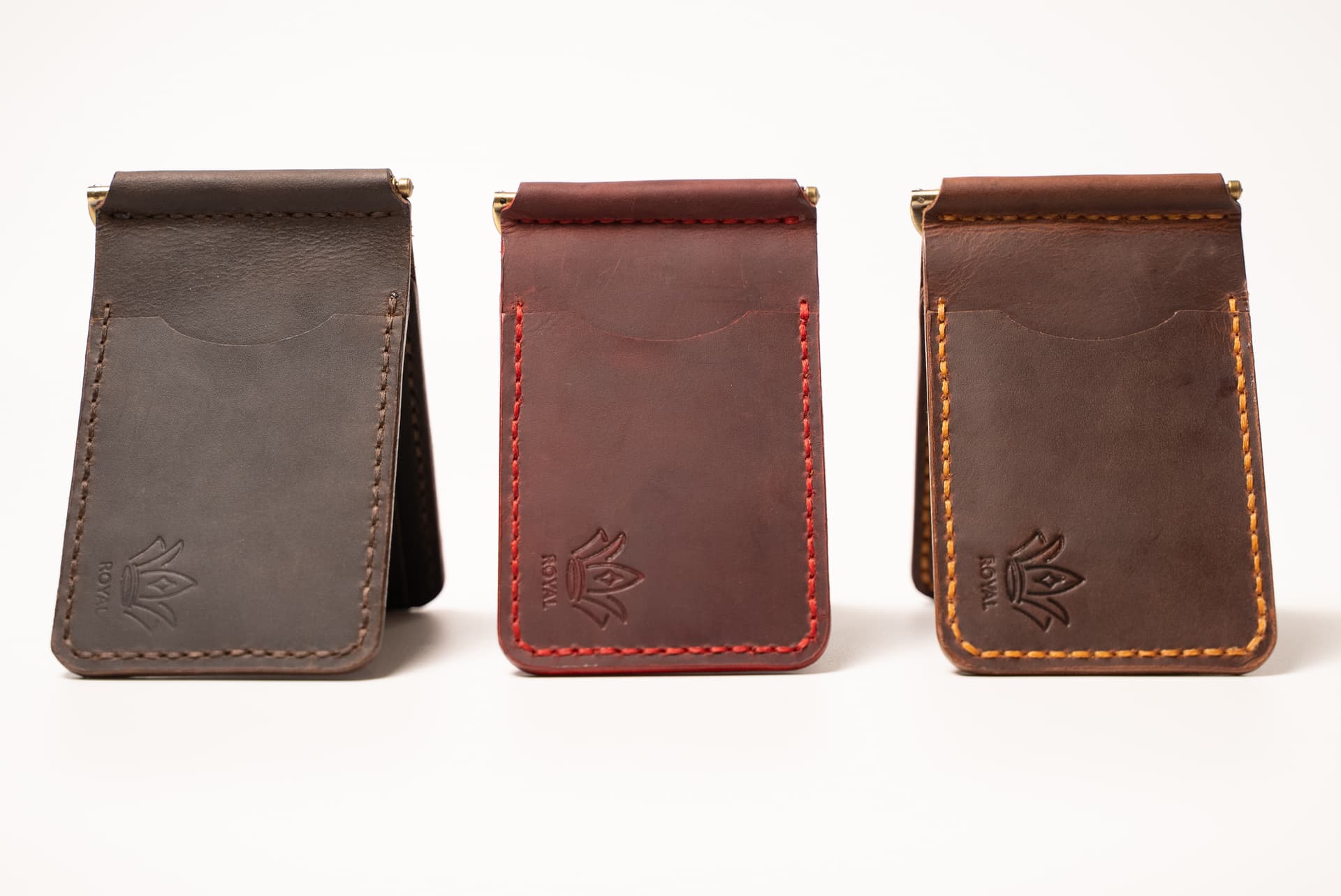
Real-world example: A well-maintained ROYAL brown leather wallet can easily last 15-20 years with proper care. Many customers pass down their leather wallets to their children.

Fabric Wallet Durability: 2-5 Years

Strengths:

  • Water-resistant: Most modern fabrics repel water naturally
  • Lightweight: Won't stretch or sag from weight
  • Abrasion-resistant: Technical fabrics resist surface wear
  • Low maintenance: No conditioning required

Weaknesses:

  • Fraying: Edges and seams fray over time
  • Fading: Colors fade with sun exposure and washing
  • Stretching: Fabric can stretch out and lose shape
  • Not repairable: Once damaged, fabric wallets are difficult to repair
  • Shorter lifespan: Most fabric wallets last 2-5 years before replacement

Verdict: For long-term durability, leather wallets win decisively. A quality leather wallet is a one-time investment, while fabric wallets require replacement every few years.

Cost Analysis: Initial Price vs Long-Term Value

Initial Purchase Price

Fabric Wallets: $10-$50
Leather Wallets: $30-$200+

Winner (upfront cost): Fabric

Fabric wallets are generally cheaper upfront. You can find decent fabric wallets for $15-$30, while quality leather wallets typically start around $40-$60.

Long-Term Cost of Ownership

Let's calculate the 10-year cost:

Fabric Wallet:

  • Average lifespan: 3 years
  • Replacements needed: 3-4 wallets
  • Cost per wallet: $25
  • 10-year total: $75-$100

Leather Wallet:

  • Average lifespan: 15-20 years
  • Replacements needed: 0
  • Initial cost: $60
  • Conditioning products: $15 (over 10 years)
  • 10-year total: $75

Winner (long-term value): Leather

A quality ROYAL leather wallet costs the same or less over time, plus you avoid the hassle of shopping for replacements every few years.

Best value options:

Style & Aesthetics: Professional vs Casual

Leather Wallet Style

Winner: Leather (for professional and formal settings)

Advantages:

  • Timeless elegance: Leather never goes out of style
  • Professional appearance: Appropriate for business settings
  • Develops character: Patina tells your unique story
  • Versatile: Works with casual, business, and formal attire
  • Luxury perception: Leather signals quality and success
  • Color options: Brown, black, tan, green

Best for:

  • Business professionals
  • Formal occasions
  • Classic style preferences
  • Those who value timeless design

Explore: Hand-stitched wallets, minimalist wallets, money clip wallets

Fabric Wallet Style

Advantages:

  • Casual aesthetic: Perfect for outdoor and athletic lifestyles
  • Modern designs: Bold colors and patterns available
  • Lightweight feel: Less bulk in pocket
  • Sporty vibe: Matches active lifestyle
  • Variety: Endless color and pattern options

Best for:

  • Outdoor enthusiasts
  • Casual everyday wear
  • Younger demographics
  • Active lifestyles
  • Those who prioritize function over form

Verdict: If you need one wallet for all occasions, leather is more versatile. If you have multiple wallets for different activities, fabric works for casual/athletic use.

Maintenance & Care: Effort Required

Leather Wallet Maintenance

Effort Level: Low to Moderate

Required care:

  • Wipe with soft cloth monthly
  • Apply leather conditioner every 3-6 months
  • Keep away from excessive moisture
  • Store properly when not in use

Time investment: 10-15 minutes every 3-6 months

Learn more: Complete Leather Care Guide

Products needed:

  • Leather conditioner ($10-15, lasts years)
  • Soft cloth (free)
  • Optional: Leather protector spray ($12-20)

Total annual cost: $5-10

Fabric Wallet Maintenance

Effort Level: Very Low

Required care:

  • Spot clean with damp cloth as needed
  • Machine wash occasionally (if manufacturer allows)
  • Air dry

Time investment: 5 minutes as needed

Products needed:

  • Mild soap (you already have)
  • Water

Total annual cost: $0

Winner (ease of maintenance): Fabric

However, the minimal maintenance required for leather wallets is a small price to pay for decades of use. Most leather wallet owners find the care ritual enjoyable and meditative.

Environmental Impact: Sustainability Comparison

Leather Wallet Environmental Footprint

Pros:

  • Longevity: One wallet lasts 15-20 years = less waste
  • Biodegradable: Leather naturally decomposes
  • By-product: Often uses hides from meat industry
  • Repairable: Can be restored instead of replaced
  • Timeless: Won't end up in landfill due to style changes

Cons:

  • Tanning process: Chemical tanning can be polluting (vegetable tanning is eco-friendlier)
  • Animal product: Not suitable for vegans
  • Water usage: Leather production requires significant water

ROYAL's approach: We prioritize sustainable sourcing and traditional craftsmanship to minimize environmental impact.

Fabric Wallet Environmental Footprint

Pros:

  • Vegan-friendly: No animal products
  • Recycled options: Some brands use recycled materials
  • Lower water usage: Generally requires less water to produce

Cons:

  • Shorter lifespan: Replaced every 2-5 years = more waste
  • Synthetic materials: Nylon and polyester are petroleum-based
  • Microplastics: Synthetic fabrics shed microplastics when washed
  • Not biodegradable: Most fabric wallets don't decompose
  • Fast fashion: Trendy designs encourage frequent replacement

Verdict: Leather wallets have a lower long-term environmental impact due to longevity, despite higher initial production footprint. One leather wallet replacing 4-6 fabric wallets over 20 years is more sustainable.

Functionality: Everyday Performance

Leather Wallet Functionality

Strengths:

  • Holds shape: Maintains structure even when empty
  • Card protection: Rigid structure protects cards from bending
  • RFID options: RFID-blocking leather wallets available
  • Breaks in perfectly: Molds to your specific cards and cash
  • Professional feel: Confidence-inspiring when paying

Weaknesses:

  • Initial stiffness: Requires break-in period
  • Heavier: Slightly more weight than fabric
  • Water sensitivity: Needs protection in heavy rain

Best functional leather wallets:

Fabric Wallet Functionality

Strengths:

  • Lightweight: Barely noticeable in pocket
  • Water-resistant: Handles rain and spills
  • Flexible: Adapts to contents immediately
  • Quick-dry: Dries fast if wet

Weaknesses:

  • Loses shape: Can become floppy when empty
  • Less protection: Cards can bend more easily
  • Stretches: Overstuffing causes permanent stretching
  • Frays: Edges wear and fray with use

Verdict: For everyday reliability and card protection, leather wallets perform better. For outdoor activities or water exposure, fabric has advantages.

Which Wallet is Right for You?

Choose a Leather Wallet If You:

✅ Want a wallet that lasts 15-20+ years
✅ Value timeless style and professional appearance
✅ Appreciate quality craftsmanship
✅ Don't mind minimal maintenance (conditioning every few months)
✅ Want your wallet to develop unique character
✅ Need versatility for business and casual settings
✅ Prefer long-term value over upfront savings
✅ Want superior card protection

Recommended: ROYAL Minimalist Wallets, Hand-Stitched Wallets, Money Clip Wallets

Choose a Fabric Wallet If You:

✅ Need a wallet for outdoor/athletic activities
✅ Want the lowest upfront cost
✅ Prefer ultra-lightweight carry
✅ Need maximum water resistance
✅ Don't want any maintenance requirements
✅ Like bold colors and modern patterns
✅ Are vegan or avoid animal products
✅ Replace wallets frequently anyway

Final Verdict: Leather Wins for Most People

After comparing every factor, leather wallets are the better choice for most people because:

  1. Superior long-term value: Same or lower cost over 10+ years
  2. Unmatched durability: Lasts 3-4x longer than fabric
  3. Timeless style: Appropriate for all occasions
  4. Better with age: Improves over time instead of degrading
  5. Lower environmental impact: One wallet vs. multiple replacements
  6. Professional appearance: Essential for business settings
  7. Emotional value: Becomes a cherished possession

However, fabric wallets win for:

  • Outdoor/athletic specific use
  • Strict budget constraints (upfront cost)
  • Vegan lifestyle requirements
  • Maximum water resistance needs

Ready to Invest in Quality?

If you've decided that a leather wallet is right for you, explore ROYAL's handcrafted collection:

For Minimalists:

For Traditional Style:

For Modern Functionality:

For Unique Style:

Complete Your Leather Collection

Once you experience the quality of ROYAL leather wallets, you'll want to upgrade your entire everyday carry:

Learn More

Make the investment in quality. Choose ROYAL leather and never buy another wallet again.

Reading next

How to Break In a Leather Wallet: Expert Guide for 2026
Top 10 Leather Gifts Under $50: Best Gift Guide for 2026

Leave a comment

This site is protected by hCaptcha and the hCaptcha Privacy Policy and Terms of Service apply.