LEATHER GUIDES
How to Choose a Leather Wallet: The Complete Guide
A leather wallet is one of the few things you touch every single day for years, so it is worth getting right the first time. The problem is that most wallets look identical in a photo — the difference is in the leather grade, the stitching, and a few details you can only judge up close. This guide walks through the five things that actually decide whether a wallet lasts a decade or cracks in a year.
1. Start with the leather grade
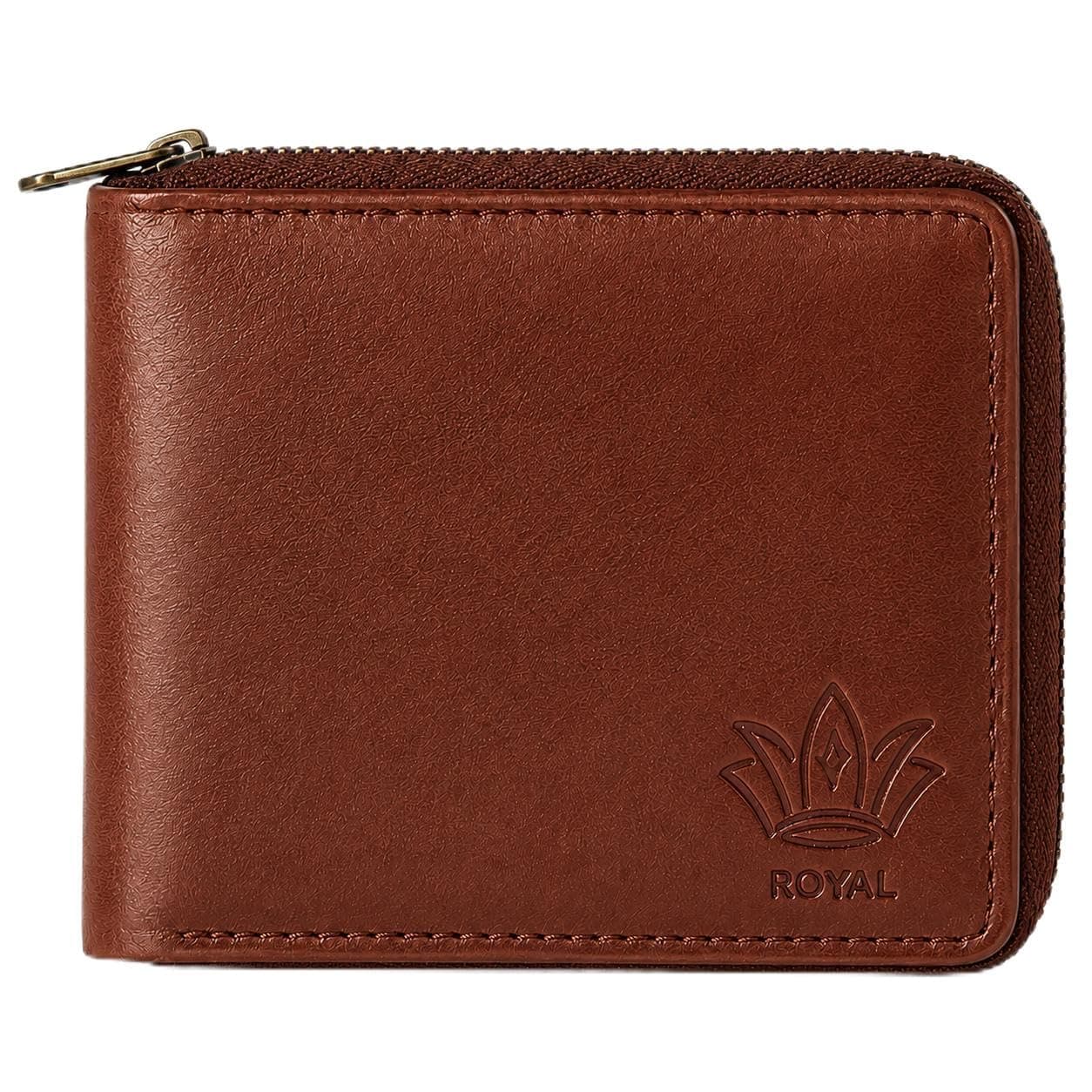
Grade is the single biggest factor. Full-grain leather uses the strongest outer layer of the hide with its natural surface intact, which is why it is the only grade that develops a patina — that deepening, glossy character that makes a good wallet look better with age. Top-grain is sanded and coated (more uniform, but it caps how it ages), and “genuine leather” is a near-bottom tier that tends to crack and peel within a year or two. If a wallet’s headline feature is “genuine leather,” treat that as a warning sign. Every ROYAL wallet is cut from full-grain leather for exactly this reason. For the full breakdown, read Full-Grain vs Top-Grain vs Genuine Leather ».
2. Look at the stitching
Stitching is where cheap wallets fail first. Hand-stitched seams use a saddle stitch, where two needles lock every stitch independently — so if one thread wears, the seam does not unravel. Machine stitching is faster and fine for lighter items, but a hand-stitched edge on a wallet you carry daily is measurably more durable. Look for even, tight stitches that sit in a burnished channel rather than perched on the surface. ROYAL’s hand-made line is hand-stitched in our workshop; the seam is meant to outlive the trends.
3. Match the layout to how you actually pay
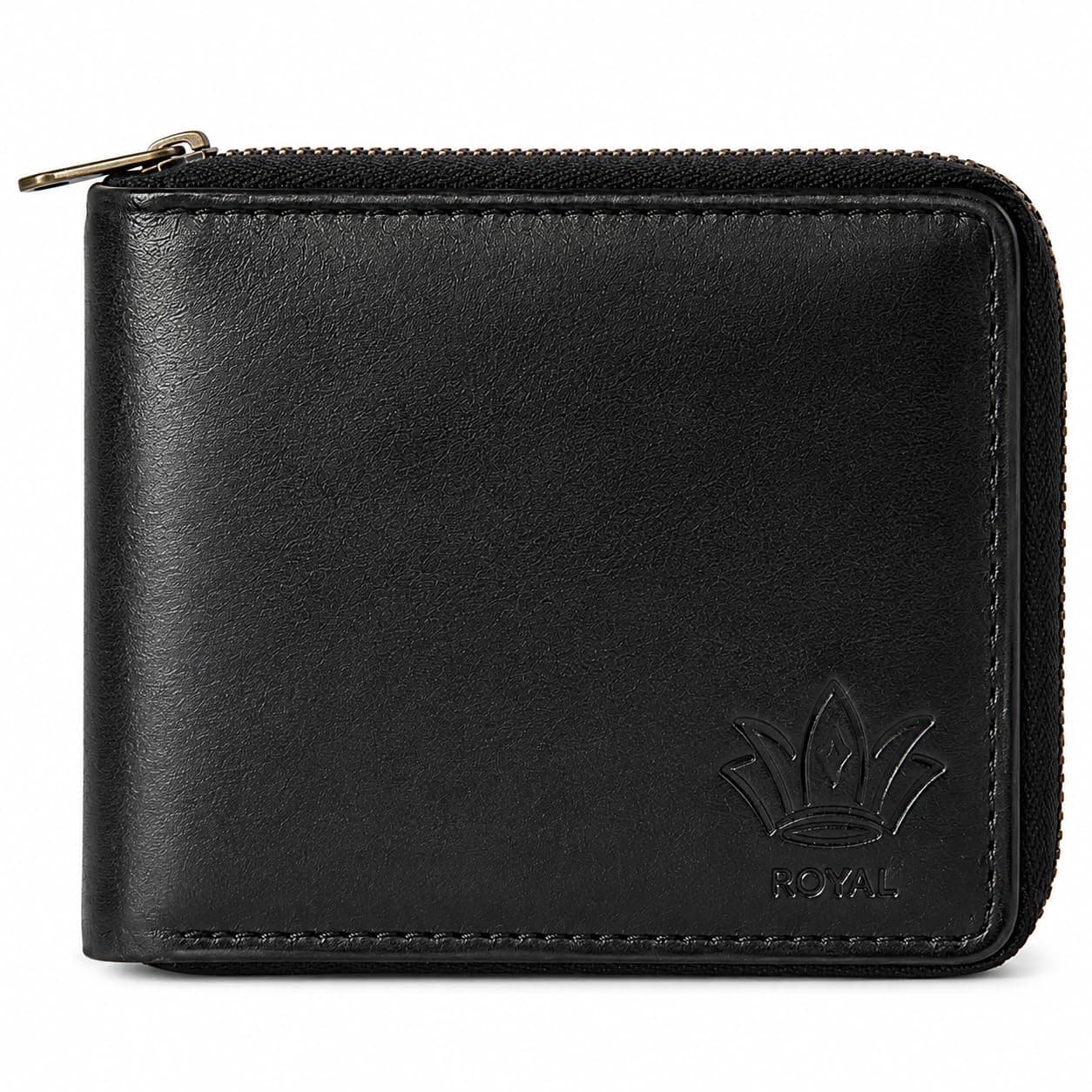
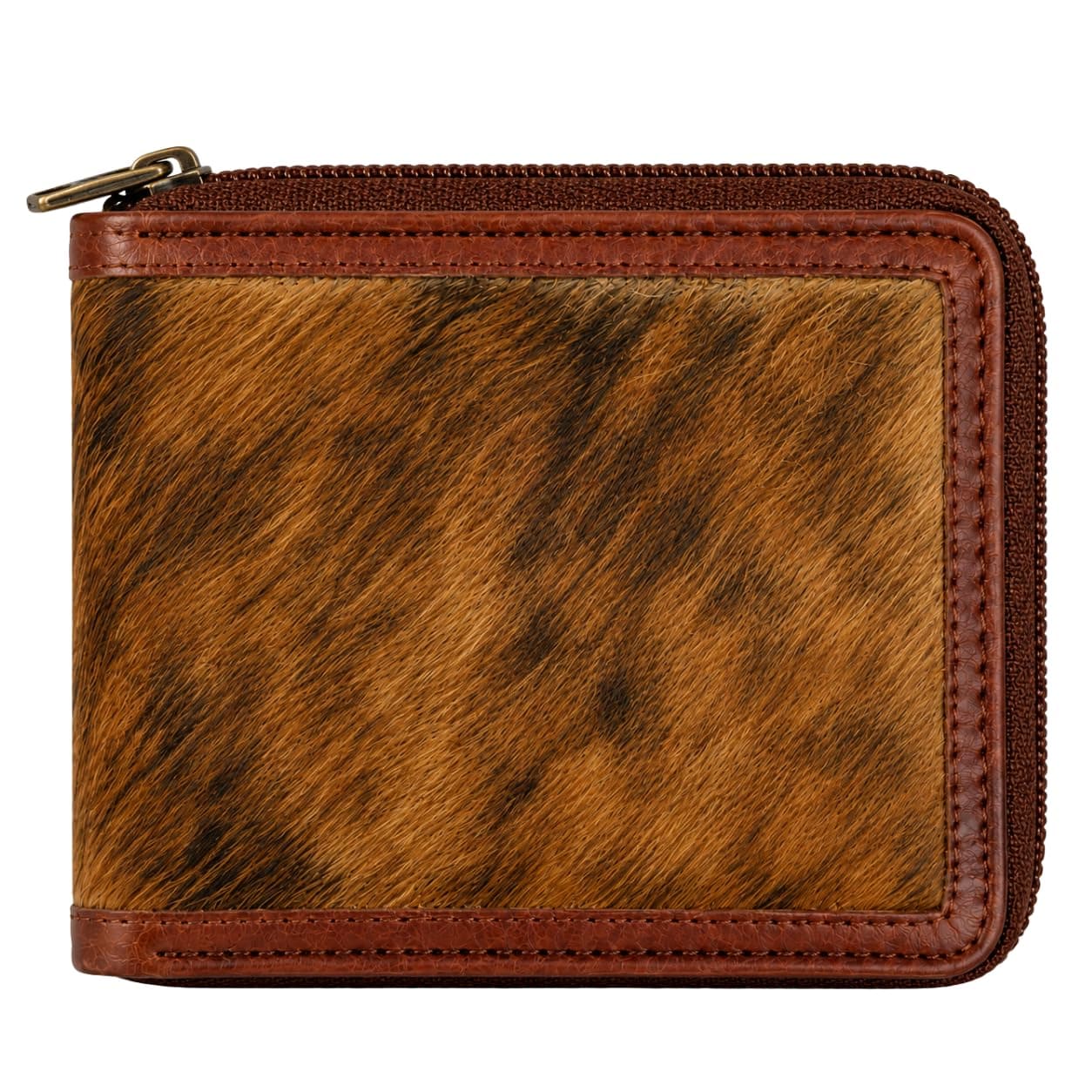
Card capacity and cash habits decide the format. A classic bifold holds more cards and folded cash; a front-pocket or card holder trims the bulk to a few essentials and a couple of bills. Be honest about how many cards you truly carry — a wallet stretched past its capacity deforms and wears unevenly. If you have quietly gone card-light, a slim format will sit better and last longer. Browse ROYAL’s full-grain leather wallets » or the slimmer leather card holders » to compare formats.
4. Judge the edges and hardware
Details signal the whole build. Run a finger along the edge: a quality wallet has edges that are painted or burnished smooth, not raw and fraying. Interior slots should be lined and cut cleanly, not glued in a hurry. If there is any hardware — a money clip or snap — it should feel solid and move without grinding. These are the parts that quietly separate a $15 wallet from one built to be handed down.
5. Weigh price against lifespan
“Buy once” usually beats “buy cheap twice.” A full-grain, hand-stitched wallet costs more up front, but replacing a cracked “genuine leather” wallet every couple of years costs more over a decade — and never gives you the patina. ROYAL backs the hand-made line with a 1-year craftsmanship warranty and 30-day returns, and ships free in the US on qualifying orders, so trying one is low-risk.
Your quick buying checklist
Before you buy, confirm: full-grain leather (not “genuine”); tight, even stitching (hand-stitched for daily carry); a format that matches your real card count; smooth, finished edges; and a return window so you can carry it for a week before committing. Get those five right and the wallet will be the last one you shop for in a long time.
Frequently asked questions
What is the best type of leather for a wallet?
Full-grain leather. It uses the strongest outer layer of the hide with the natural surface intact, so it is the most durable grade and the only one that develops a patina as it ages.
How long should a good leather wallet last?
A full-grain, well-stitched wallet used daily commonly lasts 8–10 years or more, developing a richer patina over time. Lower grades like “genuine leather” often crack or peel within a year or two.
Is a hand-stitched wallet worth it?
For something you carry every day, yes. A hand saddle-stitched seam locks each stitch independently, so it does not unravel if a single thread wears — measurably more durable than machine stitching on high-use items.
How many cards should a slim wallet hold?
Most slim front-pocket wallets and card holders are designed for roughly 3–8 cards plus a couple of folded bills. Overstuffing any wallet past its capacity stretches the leather and wears it unevenly.
Shop the story