BUYING GUIDES
Are Handmade Leather Wallets Worth It?
A handmade leather wallet costs more than the one on the department store rack, and the question we are asked most is the obvious one: is it worth it? We make them, so we have a stake in the answer. That is the reason to be straight about it: for most people the answer is yes, for some it is no, and the difference comes down to a few things you can check in your hand before you pay.
What "handmade" should mean
The word is used loosely. A wallet can be called handmade because a person fed it through a sewing machine, which is true of almost every wallet ever sold. What makes a difference to how a wallet carries and how it ages is narrower:
- Hand-cut panels. Each piece is cut from a hide by a person who can see the leather, so a scar, a loose patch or a soft belly area goes into the offcut pile rather than into your wallet.
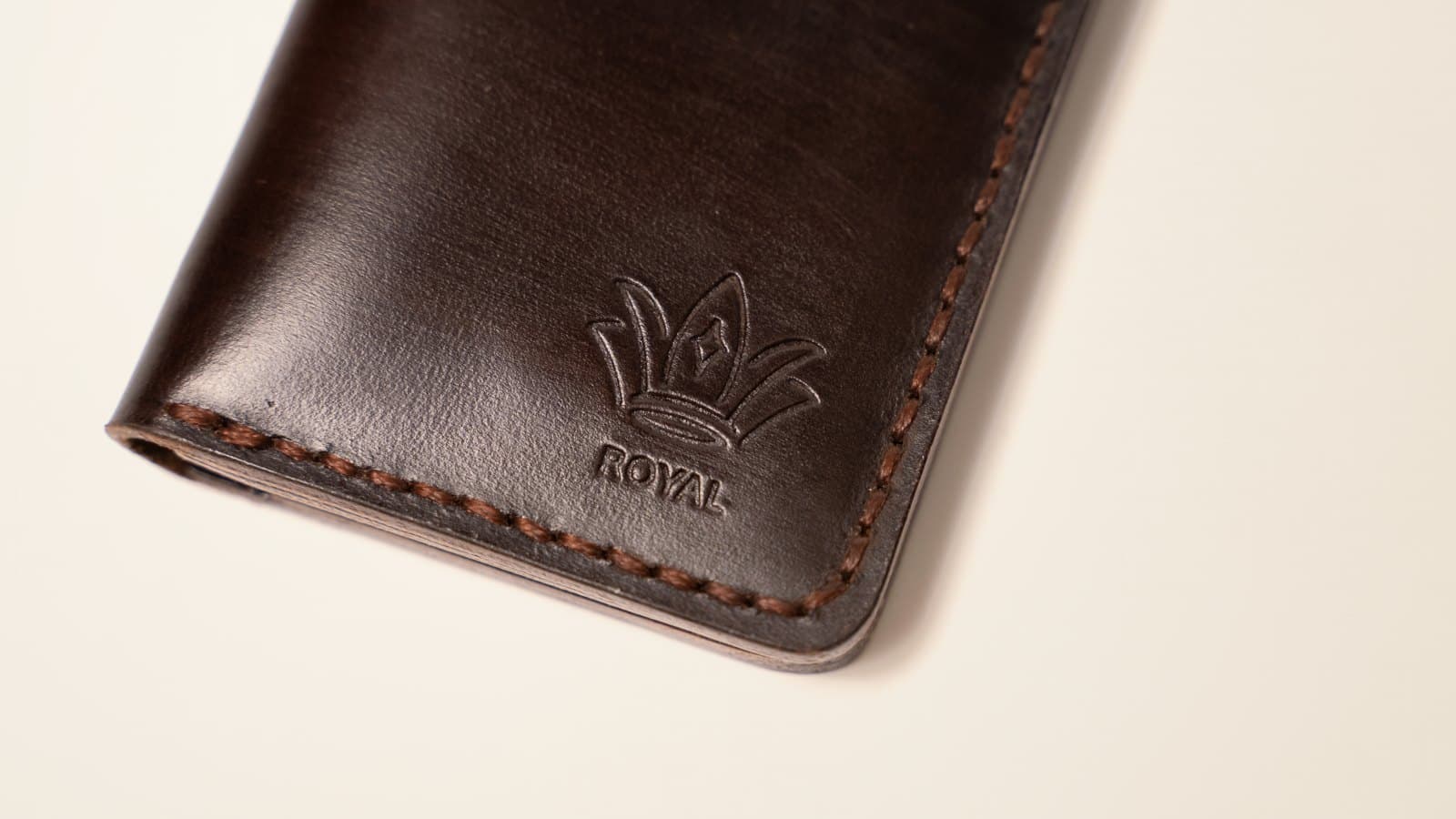
- Saddle stitching by hand. Two needles, one thread, pulled tight from both sides at every hole. If one stitch is cut, the rest hold. A machine lockstitch uses two threads that interlock in the middle; break one loop and the seam can run.
- Finished edges. Sanded, burnished and sealed by hand instead of dipped in thick paint, which cracks and flakes once the wallet starts to flex.
Ask a seller which of these they do. A real workshop will tell you without being asked twice.
Where a factory wallet usually fails
We repair and replace enough wallets to see the same three failures over and over:
- The corner stitching. Every time a wallet goes in and out of a pocket, the corners flex. A machine-stitched corner wears through one thread and opens. This is the most common failure we see, by a long way.
- The edge coating. Painted edges look neat on day one and peel within a year or two, leaving fuzzy, fraying edges.
- The surface. Corrected or coated leather — the kind with a perfectly even, plastic-looking grain — does not age; it wears. The coating scuffs, cracks at the fold and then peels.
None of these is about the wallet being cheap as such. They are about shortcuts that save minutes at the bench and cost you the wallet.
What you are paying for
The extra money in a handmade wallet goes to three places. Time is the biggest: saddle stitching a wallet by hand takes far longer than running it through a machine, and finishing the edges by hand adds more. Then the leather: a workshop that cuts by hand can choose better hides and throw away the parts it would not use. And the person: a small workshop pays a skilled maker rather than a production line.
What you should not be paying for is a logo. Above a certain price, a lot of what you buy is the brand. A well-made wallet from a small workshop is usually priced well below the luxury houses, and it is built the slower way those houses advertise.
Cost per year, not price on the tag
The fair way to compare is how long each one lasts in daily use. A cheap wallet that falls apart in two years has to be bought again, and again. A hand-stitched wallet that is still carrying your cards years later has cost less per year by the time you would have bought the third cheap one — and it looks better for the handling rather than worse. Our wallets carry a 1-year warranty on the stitching, and returns are open for 30 days, so you are not taking the price on trust.
When a handmade wallet is not worth it
We talk people out of buying from us often enough to list the cases:
- You lose wallets. If a wallet rarely lasts you a year because it gets left in taxis, buy something you will not mind replacing.
- You want it to look new forever. Leather darkens, softens and shows where you hold it. If you want a wallet that looks the same in year five as on day one, look at metal or synthetic wallets.
- You need a feature we do not make. We do not add RFID layers (we explain why in RFID wallets explained), and we keep wallets slim rather than packing in a coin purse and a dozen slots.
- Your current wallet is fine. The best wallet is often the one you already own. Replace it when it fails, not before.
How to tell if a wallet is really handmade
Five checks, each one possible in a shop or the day a parcel arrives:
- Look at the stitch line. A saddle stitch sits at a slight slant and looks the same on both faces. A machine lockstitch is perfectly straight on top and different underneath.
- Look at the edges. Burnished edges are smooth and the same colour as the leather or slightly darker. A thick, rubbery coating that looks like paint usually is.
- Look at the grain. Real grain is irregular, with pores and small marks that do not repeat. A perfectly even pattern was pressed into the surface.
- Feel the card slots. They should grip firmly at first and relax to your cards over a couple of weeks, not gape after a month.
- Ask about the warranty. A maker who trusts their stitching puts it in writing.
Which handmade wallet to choose
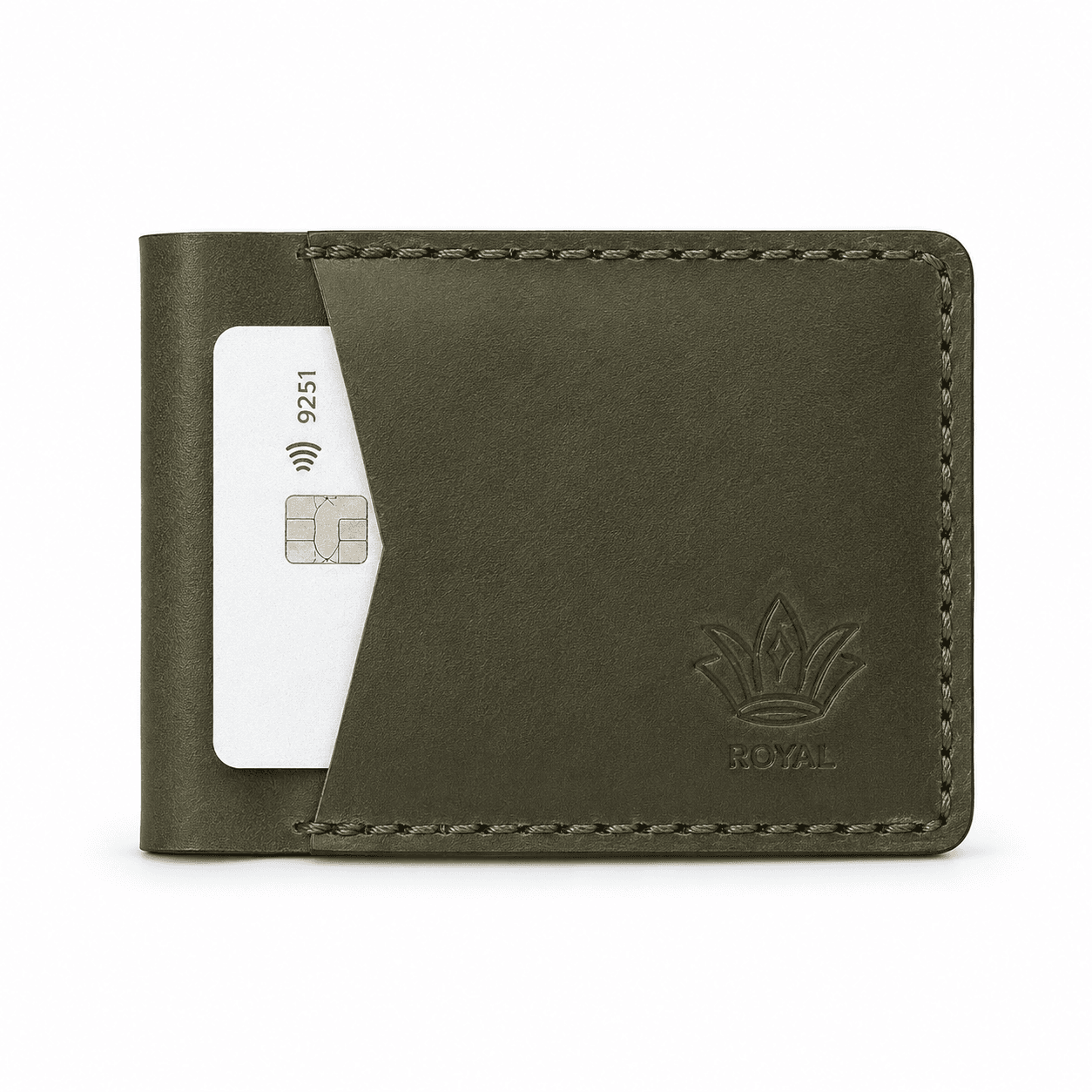
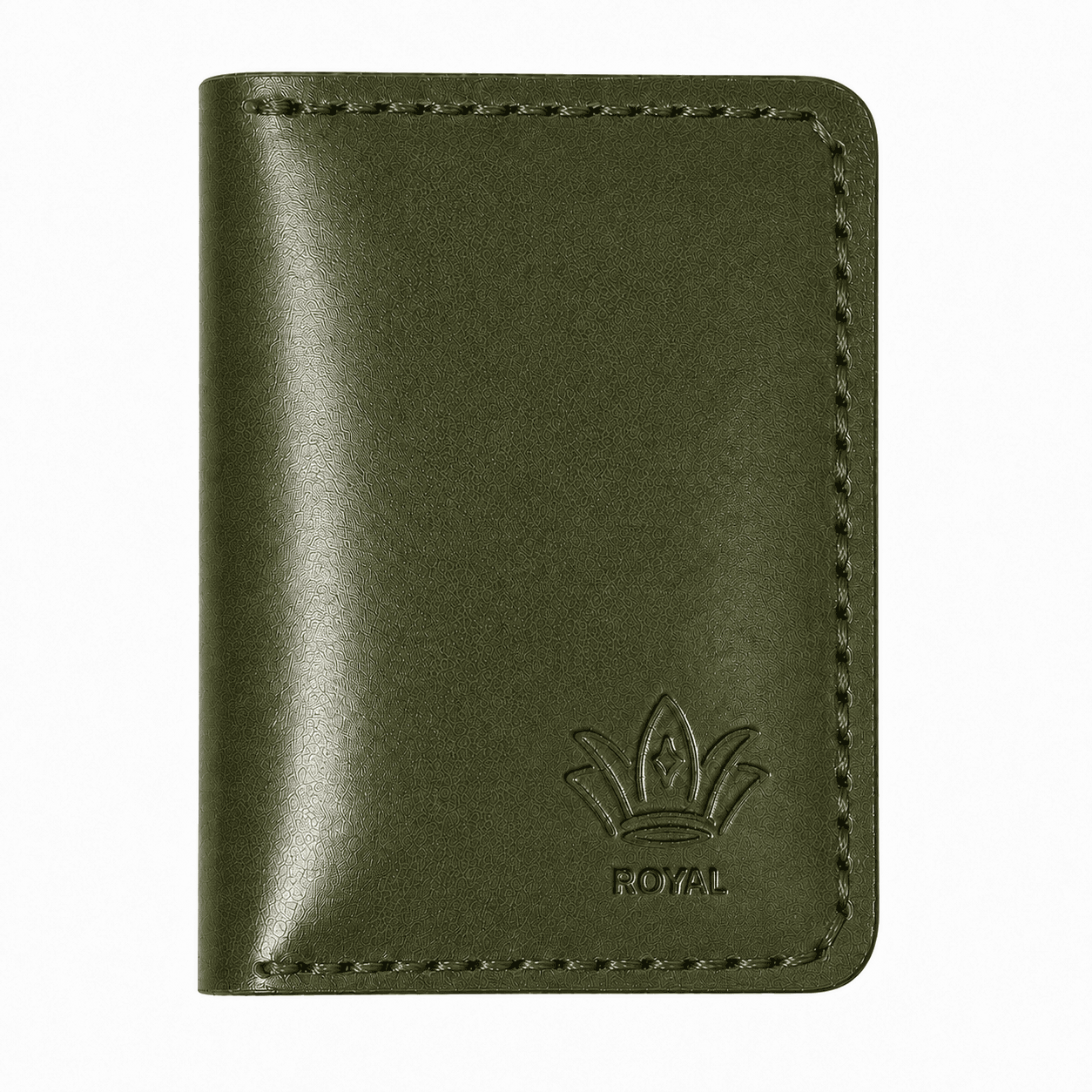
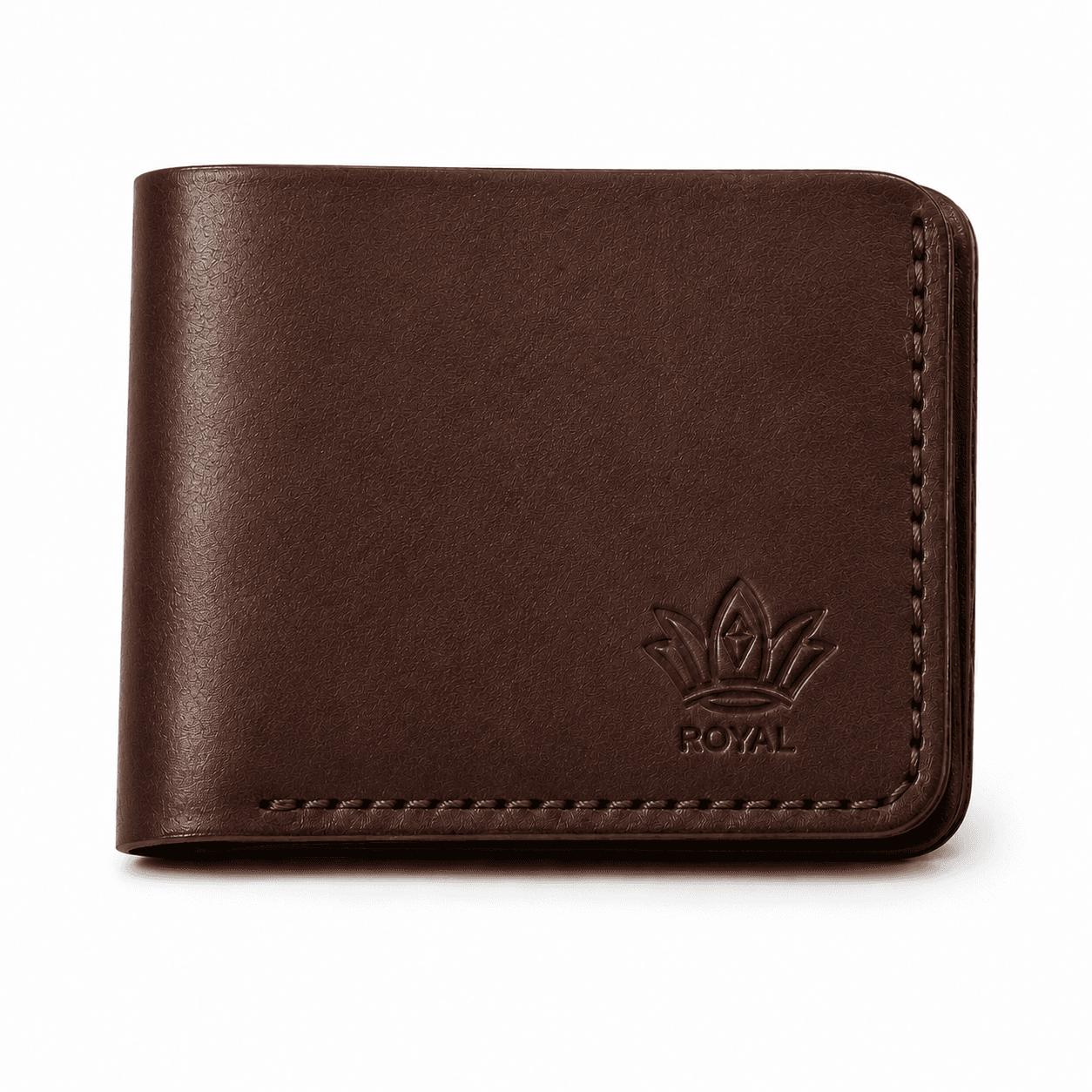
Choose by what you carry, not by what is fashionable. If you pay by phone and carry a few cards, a card holder is the slimmest answer; our card holders are full-grain leather. If you want a real wallet that sits flat in a front pocket, our full-grain front pocket wallets are the one we would hand a friend first. If you carry cash and more cards, a bifold from our leather wallets holds more. The full comparison is in front pocket vs bifold vs card holder, and once you have one, five minutes of conditioning twice a year is all the care it needs.
Frequently asked questions
Are handmade leather wallets worth it?
For most people who carry a wallet every day, yes. Hand-cut leather, saddle stitching and hand-finished edges fix the three things that make factory wallets fail, and the cost per year of use ends up lower. If you lose wallets or want one that never changes, a cheaper wallet makes more sense.
How long does a handmade leather wallet last?
With everyday use and a little conditioning, for years. The stitching is what usually gives out first on a wallet, and a saddle stitch holds even if one thread is cut. Ours carry a 1-year warranty on the stitching.
What is the difference between hand-stitched and machine-stitched?
A hand saddle stitch uses two needles and one thread locked at every hole, so a broken stitch stays put. A machine lockstitch interlocks two threads in the middle, and one broken loop can let the seam unravel.
How can I tell if a wallet is really handmade?
Check that the stitch line looks the same on both faces and sits at a slight slant, that the edges are burnished rather than painted, and that the grain is irregular. Then ask the maker about their warranty.
Why do handmade wallets cost more?
Time, leather and people. Hand stitching and edge finishing take far longer than machine work, hand cutting wastes more of the hide to avoid weak spots, and a skilled maker is paid for the work.
Is a handmade wallet a good gift?
Yes, if you know how the person carries: a card holder for someone who pays by phone, a front pocket wallet for a slim real wallet, a bifold for a cash carrier. Our 30-day returns cover a style that misses.
Every Royal wallet is cut and saddle-stitched by hand in our workshop. See the leather wallets and card holders.
Shop the story